Gas Leak Repairs in Ascot
Licensed work from start to finish: that is what gas leak repair in Ascot means, and Local Ascot Plumbing handles it across Ascot and the neighbouring suburbs. Every job is done by a licensed plumber, and gas repairs sit squarely inside that. For the wider range of gas jobs, our gas fitter page lists what we cover.
If we're late, $100 comes off your bill

- Licensed and InsuredEvery job done by a licensed plumber. QBCC No: 15024607
- Fixed Quote FirstFlat-rate pricing, agreed before any work starts
- Lifetime Labour WarrantyBacked by our Fix-It-or-It's-Free guarantee (T&Cs apply)
- $0 Call-Out FeesNo extra charge for nights, weekends or public holidays
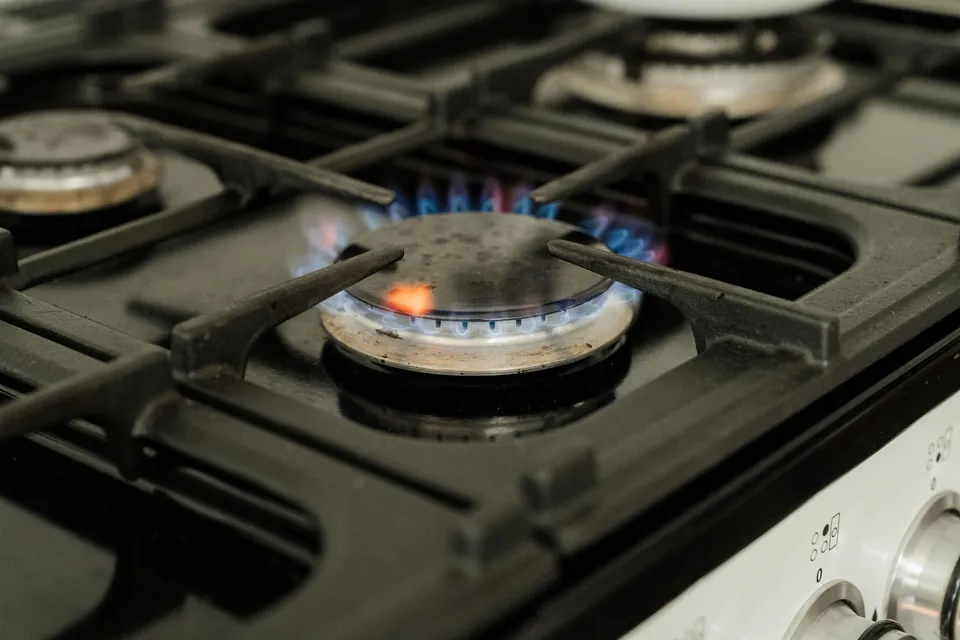
Fuel gas burns easily, and an enclosed room slowly filling with it pushes oxygen out, which can leave anyone inside dizzy or nauseated and, at the extreme, starved of air. Repairing a gas system, and testing one, are both gas work in Queensland, so none of it belongs at home with a spanner.
A gas smell indoors is urgent. The safety steps for that moment live on our emergency plumber page; read those before anything here matters.
How a Gas Fitter Finds the Leak
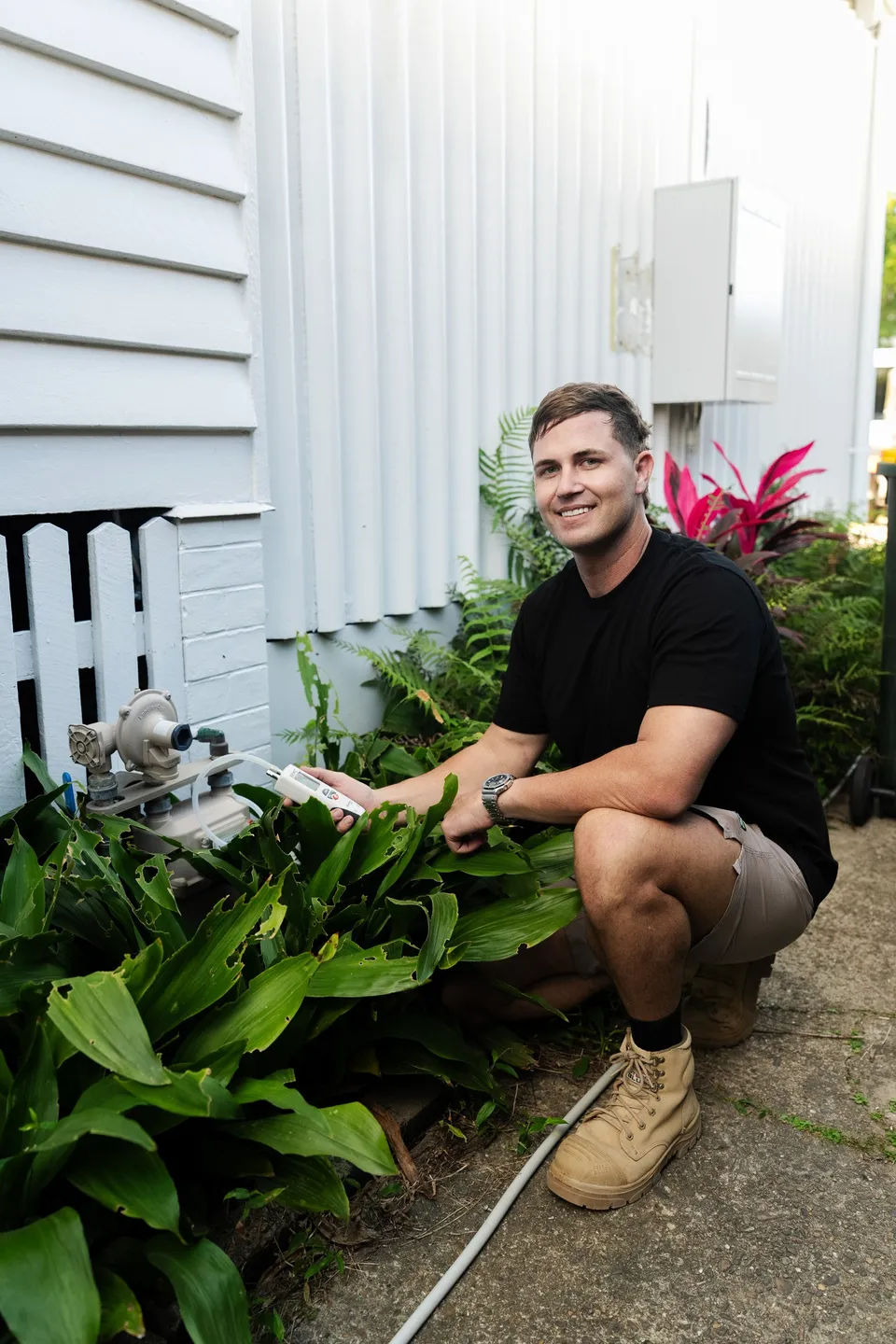
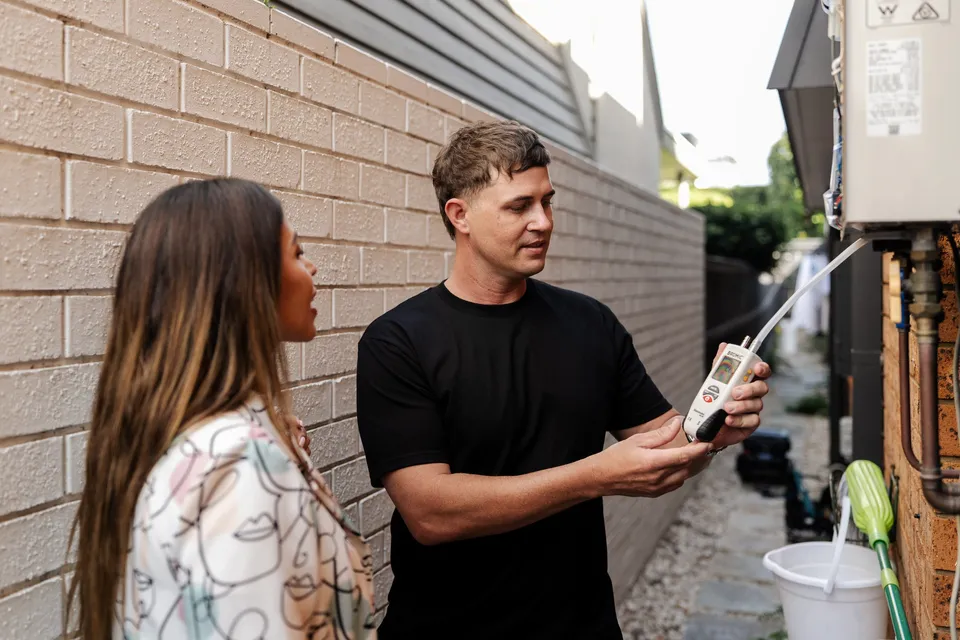
The gasfitter closes the supply, then splits the pipework into sections and pressure-tests each one. The section that loses pressure holds the leak. A detergent solution brushed over fittings in that stretch then bubbles at the exact point.
Why the order works:
- Isolation: valves and disconnections narrow the run down before any testing starts.
- Pressure testing: the stretch that drops is the one worth looking at.
- Detergent and water: applied to fittings, it bubbles right where gas is escaping.
Queensland's official household check uses the same detergent idea. With the gas on, lightly spray the mix over the meter or cylinder fittings, the regulator hose and the connection point, and watch for bubbles. Bubbles mean a leak, so turn the gas off; contact a licensed gasfitter from there.
Defect Notices and Compliance Certificates
Two pieces of paperwork can follow the job, each with its own trigger. A defect notice goes to the owner whenever a gasfitter spots a safety problem on a system being worked on and does not remedy it on the spot. Fix it there and then through gas work, and no notice is needed.
A compliance certificate is issued as soon as a gas system has been installed or altered, to certify the work complies. Where harm is imminent, the gasfitter removes or reduces the risk first, then immediately rings the network operator and the state gas inspectorate.
Every repair ends with a retest before the gas flows again. The certificate side has its own page in gas compliance certificates.
How a Gas Leak Gets Repaired
A licensed gasfitter does the repair, and the fix scales with the fault. A worn fitting or a faulty regulator gets swapped. An accessible stretch of pipe past saving gets replaced. A run nobody can reach gets bypassed with new pipe.
A single part swap sits at the small end of that scale. A run buried under paving sits at the other.
After the repair, the whole system is retested before it goes back on. Both the mending and the testing count as gas work, so the entire job stays with a licensee. What we aim for is a lasting repair rather than a patch that weeps again next season.

Fittings, Hoses and Joints That Let Gas Escape
From the supply inward, the usual leak points are the fittings at the meter or bottle, the regulator and its hose, the joints along the pipe run, and the final connection into the appliance. A safety check hunts for corrosion, deterioration or damage on the pipework and every appliance served.
What each point does:
- Meter or bottle fittings: the first joints in the system, out in the weather.
- Regulator and hose: flexible parts that crack with age.
- Pipe joints: every bend and join is a candidate.
- Appliance connection: disturbed each time an appliance is changed.
The two fuel gases behave differently once loose. Mains gas rises, because it weighs less than air, and disperses outdoors. LPG is the heavier gas, so it settles into low-lying areas and drains instead.
New appliances add new connection points, and our gas cooktop installation page covers that side of the work.
Gas Lines Around Older and Newer Homes
The housing here spans pre-1940 weatherboards through to recent builds, and gas lines meet both ends of that range. Area-level building approvals added 277 dwellings over the five years to 2025, and plenty of those kitchens came with new gas appliances, so fresh connection points get checked on renovation calls across the suburb.
The older houses bring the other half of the picture. The soil here includes reactive clay, and dry-spell shrinkage works on old buried joints through the seasons. A gas run under a driveway or paved terrace copes with the same ground movement as the drains do, and more joints in a long run simply mean more places to test.
How the Repair Visit Runs
- 1

Call or message us
Ring (07) 3523 6417 or use the form and describe what's going on in Ascot. A few details up front mean the right gear comes on the first trip.
- 2

We trace and test the system
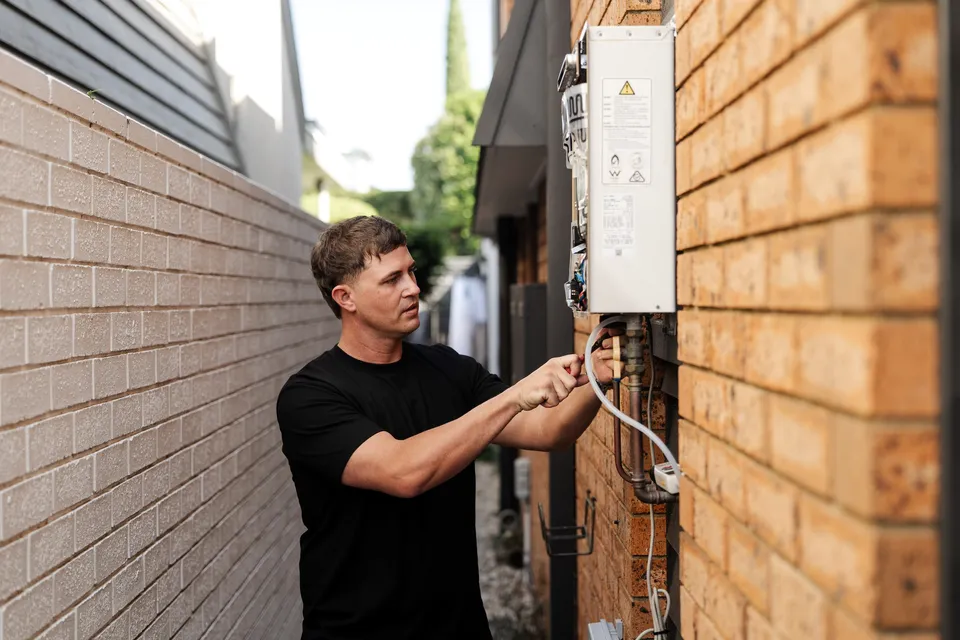
The visit covers the isolation and pressure test, the fittings from the meter inward, and the repair option that suits the fault, with a retest to confirm the system holds pressure.
- 3
Fixed quote, then the work
We give you a fixed quote before any work starts. It's flat-rate pricing with no hidden fees, and we only start once you approve it.
- 4

Settle up your way
Card and EFTPOS payment on site when the job's finished, or Fix now, pay later if that suits you better.
Plumbing job in Ascot?
$0 call-out fees, available 24/7, and same-day where we can.
Ascot Gas Leak Repair Questions
Call (07) 3523 6417How long does fixing a gas leak take in Ascot?
No fixed time applies. What sets the clock is the fault: a single part swap is quick, a buried pipe run takes longer, and parts plus the retest add time. You get a fixed quote before any work starts, so the scope is clear before we begin.
Can I check for a gas leak with soapy water?
Yes, for checking only. Queensland's household method sprays detergent and water over the fittings, the hose and the connection point with the gas on. Bubbles mean a leak: shut the supply; contact a licensed gasfitter for the repair itself.
Where do gas leaks usually start in an Ascot home?
Most begin near the supply: the meter or bottle and its fittings, the regulator and its flexible hose, the pipe joints, and where the gas enters the appliance. Corrosion, wear or damage at any of those points is what a safety check targets.
Does LPG behave differently from natural gas in a leak?
Yes, it does. Mains gas rises and disperses outdoors, while LPG is heavier and settles into low-lying areas and drains. Either way, shut the supply and get a licensed gasfitter onto it.
Is a gas leak an emergency repair in an Ascot rental?
Yes, a gas leak is an emergency repair on Queensland's tenancy list. The tenant reports it straight away and the owner or manager arranges urgent repairs. Urban Utilities looks after the public mains; pipes on the property side belong to the owner.

Call Us About the Gas LeakWe'll call you back.
Call (07) 3523 6417 to book a plumber in Ascot. We're available 24/7, with $0 call-out fees, flat-rate pricing and same-day where we can.
To claim your $0 call-out fee, call (07) 3523 6417 today.